






The horror genre has a lot of archetypal characters—the jock and cheerleader couple, the old man who knows the lore, the clueless cop—but the final girl reigns supreme over them all. The term “final girl” was coined in 1987 by Carol J. Clover in her essay “Her Body, Himself: Gender in the Slasher Film.” As the name suggests, this character manages to survive the horror story—sometimes by killing the slasher/monster herself—while most of her friends die. For a long time, the vast majority of final girls have tended to be young, pretty, white, smart, and not all that interested in the vices (sex, drugs, alcohol) that her peers indulge in.
But there are some horror stories that play with the final girl formula, offering up plucky surviving heroines who don’t fit the mold in one way or another. Here are five such examples of unusual final girls to cheer on…
“And When She Was Bad” by Nadia Bulkin (2009)
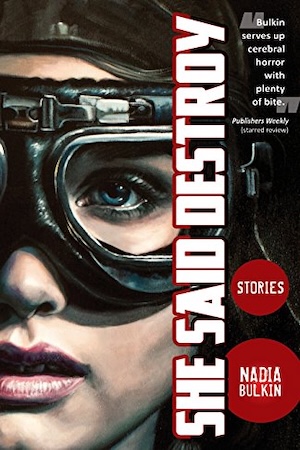
“And When She Was Bad” is a short story that very self-consciously twists the tropes common to final girl narratives. Rather than being given a name, this story’s final girl is simply referred to as “the final girl” and her friends (who are named) are described in similarly reductive trope terms, such as “slutty best friend” and “drunken frat boy.”
But this story isn’t simply a retread of other final girl stories. The plot starts after the final girl has defeated the killer—in this case a winged monster—and she’s now dealing with what comes in the immediate aftermath. As she drags the monster’s near-lifeless body to the closest town so that justice can be served, the story explores the strange symbiotic relationship between the two archetypal characters.
“We, the Girls Who Did Not Make It” by E.A. Petricone (2021)
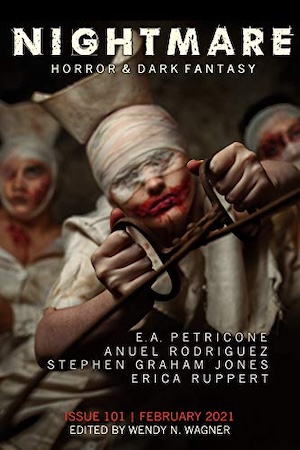
This short story (originally published in Nightmare Magazine) is told from the perspective of thirteen girls who did not end up being final girls. Each girl was individually kidnapped and killed by two men, Trevor and Rolly, over a number of years and now their ghosts haunt the basement where they spent their last living moments. As well as learning a little bit about each of the dead girls—humanizing them, so we see them as being more than mere fodder for the killers—we follow what happens to Monica, the latest girl who is being held captive in the basement.
Final girl stories are often fairly light horror fun, but “We, the Girls Who Did Not Make It” prompts the reader to think a little more deeply about the characters who are culled before the final girl gets her moment to shine. And even though the story is introspective, it’s still full of suspense and features an explosive ending.
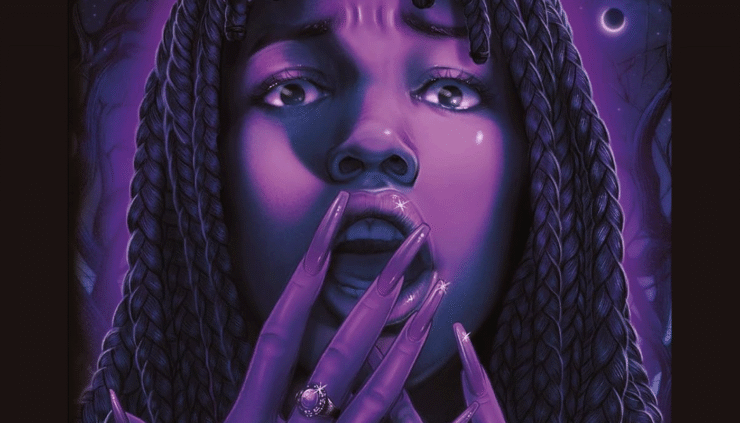
The Black Girl Survives in This One edited by Desiree S. Evans and Saraciea J. Fennell (2024)
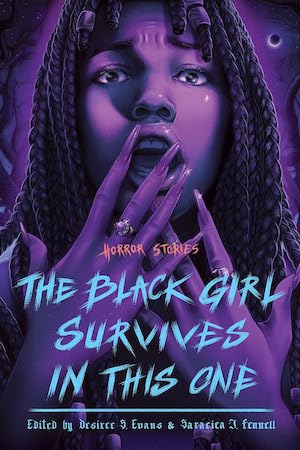
As explained in the introduction to this anthology, it’s usually only a very specific type of girl who gets to be the final girl and she’s almost always white, but there has thankfully been a little more racial diversity in recent years. The Black Girl Survives in This One is part of the effort to rectify this imbalance, with all of the stories showcasing bad-ass Black final girls.
A huge range of monsters are battled by the girls in these stories, including ghosts, demons, and zombies. The stories don’t go quite as hard on the horror as I’d have liked (in fairness, it’s a YA collection!), but there are still plenty of thrills to be had. A couple of my favorite stories are Justina Ireland’s “Black Pride,” a creature feature set at a rustic lakeside cabin, and Charlotte Nicole Davis’ “Foxhunt,” in which the new kid at school is pressured into taking part in a game that is far more sinister than it initially seems.
The Mean Ones by Tatiana Schlote-Bonne (2025)
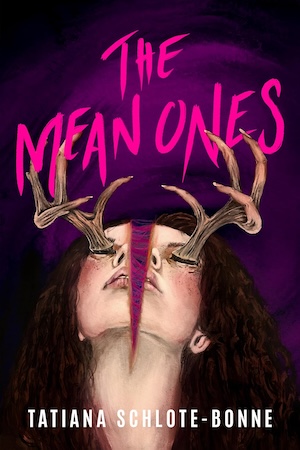
The Mean Ones explores the psychological ramifications of being a final girl, with the narrative flipping back and forth between two timelines. In the past, we see 12-year-old Sabrina head to summer camp, where she witnesses the brutal deaths of her friends. In the present, she now goes by Sadie and while she’s tried to move on with her life, everything comes back to the surface when she and her boyfriend head out to a couples trip to a cabin in the woods.
This book dives deep into the trauma that Sadie has been dealing with ever since that bloody summer, but it’s also a twisted thrill-ride filled with grisly demonic hallucinations and cult folk horror. Sadie might technically be a final girl, but she’s far from a hero, with her morals being so grey they’re verging on black. By the end, The Mean Ones is dripping with dark and vengeful “good for her” energy.
The Autumn Springs Retirement Home Massacre by Philip Fracassi (2025)
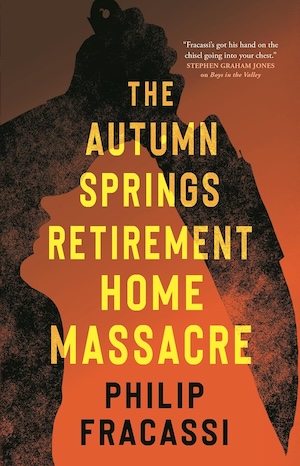
Final girls are almost always teens and young adults, but Rose DuBois—who will be celebrating her 80th birthday in a couple of years—won’t let a silly thing like age get in the way of her taking on that mantle. Rose has been enjoying her sunset years at Autumn Springs, but that all changes when a killer turns the retirement home into their hunting ground. Since older people regularly die in retirement facilities, the staff and authorities aren’t all that suspicious. But Rose knows that lives are on the line—including her own—and so she takes it upon herself to stop the murderer.
This book is filled with feisty, fearless senior citizens (I hope I’m as cool as Rose when I’m older!), inventive death scenes, and cutting commentary on society’s disregard for the elderly. I knew I was in for both a murder mystery and a slasher story, but I didn’t expect to have so much fun and to also have my heart ripped out.
If you’re looking for even more final girls to root for, check out this list by author Kalynn Bayron (which happens to include one of my favorite final girls, courtesy of Stephen Graham Jones). And if you know of any other stories that play around with the conventions of the final girl archetype, feel free to recommend them in the comments below!

I liked the movie Happy Death Day far more than I thought I would. She starts the movie as a typical shallow sorority girl, but experiences a great deal of growth throughout. While she does get killed a lot in the movie, she eventually survives and kills the killer herself.